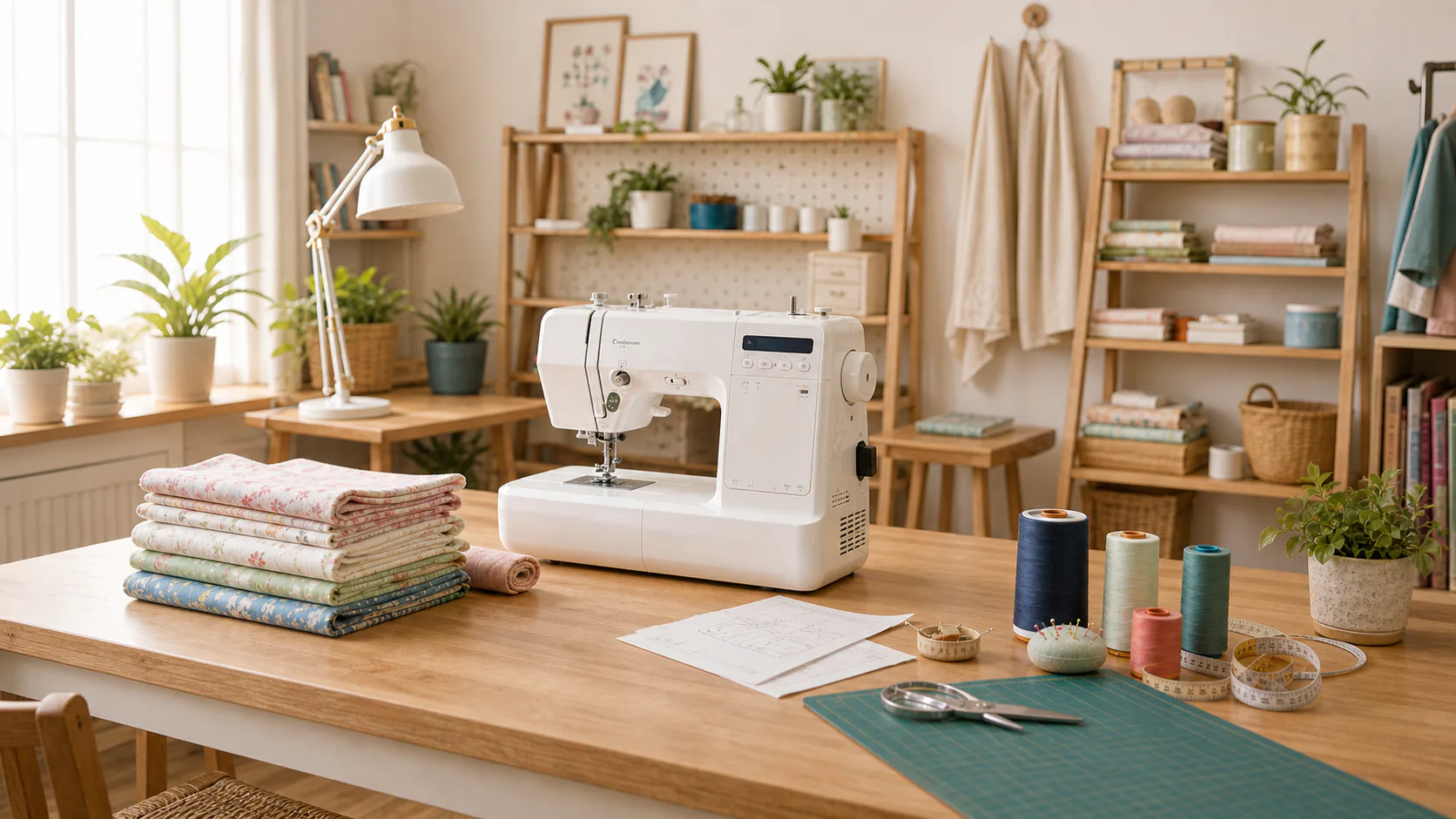
Our Shortlist
Four different starting paths, not one pretend winner for everyone.
What your first quilt asks of the machine
| First-quilt task | What helps | XM2701 | CS7000X | XR9550 |
|---|---|---|---|---|
| Piecing the top | A 1/4-inch foot keeps seams an even width. | Optional extra | Included | Not included |
| Quilting the layers | A walking foot feeds top, batting and backing together. | Optional extra | Included | Not included |
| Supporting the quilt | A wide table holds the weight beside the needle. | None included | Included | Included |
| Going slowly at seams | A speed slider caps the top speed. | Pedal only | Included | Included |
The Juki HZL-F600 is the longer-term path; check its accessories on Juki's product page, linked below. Already quilting regularly? Compare quilting machines by job
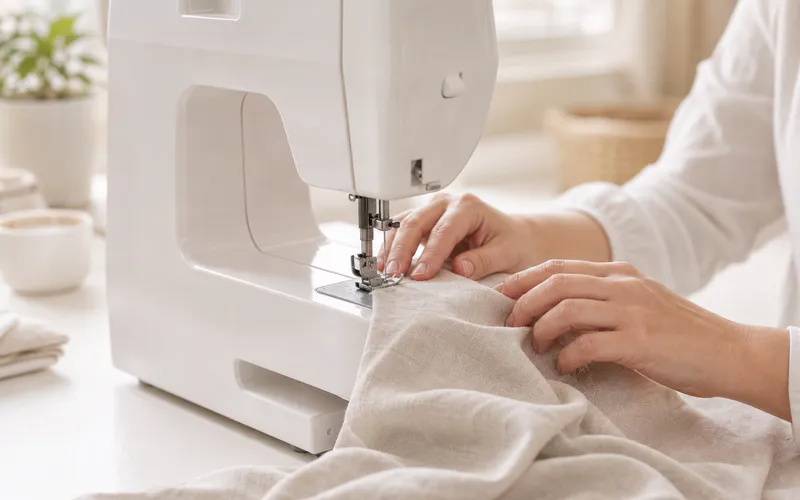
Brother XM2701
The clearest candidate when a beginner wants a compact, uncomplicated first machine and does not need a feature-heavy quilting setup.
- Best for: first projects, smaller quilts, and limited storage
- Why it fits: dial controls with the fewest settings to learn; Brother sells the walking and 1/4-inch feet as optional extras
- Skip if: thick stacked materials or larger quilt sections are your main goal
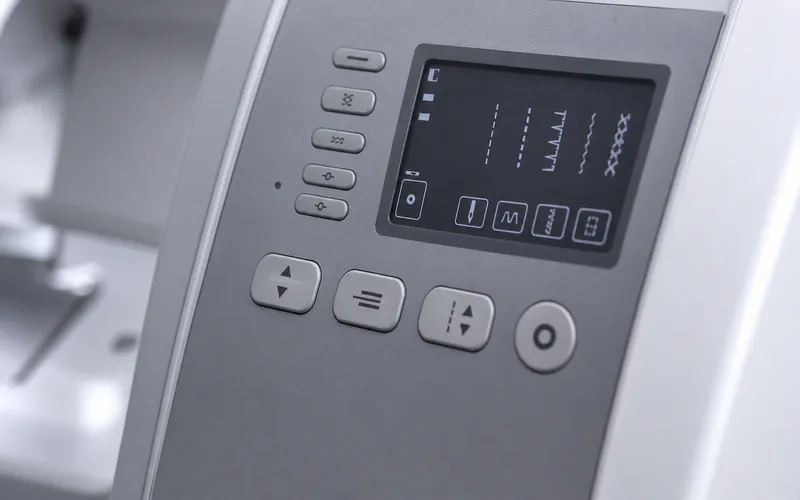
Brother CS7000X
A useful middle path for beginners who want approachable computerized control and a machine they can keep using as projects become more varied.
- Best for: beginners who expect to quilt and sew everyday projects
- Why it fits: it comes with a walking foot, a 1/4-inch piecing foot, a quilting foot, a wide table and a speed slider
- Skip if: your main work is frequent heavy fabric or production-scale sewing
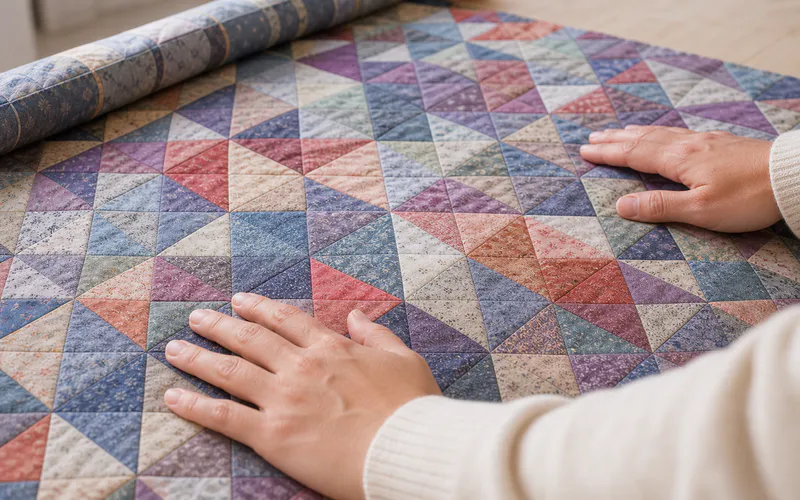
Brother XR9550
A candidate for beginners who value guided computerized choices and want quilting to be a meaningful part of the machine’s workload.
- Best for: learning stitch choices while moving into regular quilt projects
- Why it fits: a speed slider, Start/Stop button, wide table and quilting foot; a walking foot is not included
- Skip if: you want the fewest controls possible or a mechanical-only workflow
Juki HZL-F600
The upgrade-path candidate for someone who expects quilting to become a regular hobby and wants more control than a stripped-back starter machine.
- Best for: committed hobbyists who want a broader feature path
- Why it fits: a roomy work area and computerized controls for regular quilting projects
- Skip if: low complexity, small size, or the lowest initial spend matters most
Which first-quilt path fits you
Closest fit| Machine | Closest fit | Choose something else if |
|---|---|---|
| Brother XM2701 | Simple first projects and smaller quilts | You expect larger quilts or frequent thick layers |
| Brother CS7000X | Balanced beginner sewing and quilting | Heavy fabric is the main workload |
| Brother XR9550 | Guided computerized quilting path | You prefer minimal or mechanical controls |
| Juki HZL-F600 | Feature-rich longer-term quilting | Simplicity, portability, or low initial spend leads |
How We Evaluate
Every candidate faces the same job-first questions before it can become a public pick.
See evidence rulesEvidence notes, exclusions, and change route
For denim and thick seams, compare our heavy-duty sewing guide. If quilting is only one of your projects, the all-round sewing shortlist also covers mechanical machines such as the Singer 4423 and Janome HD3000.
A straight-stitch specialist cannot replace zigzag stitches or buttonholes. Start with a general-purpose machine if those are part of your plans.
Specifications and manuals
Check the manufacturer’s model details and included accessories:
Our recommendations use published information, not hands-on testing. How we evaluate machines. Report a correction.